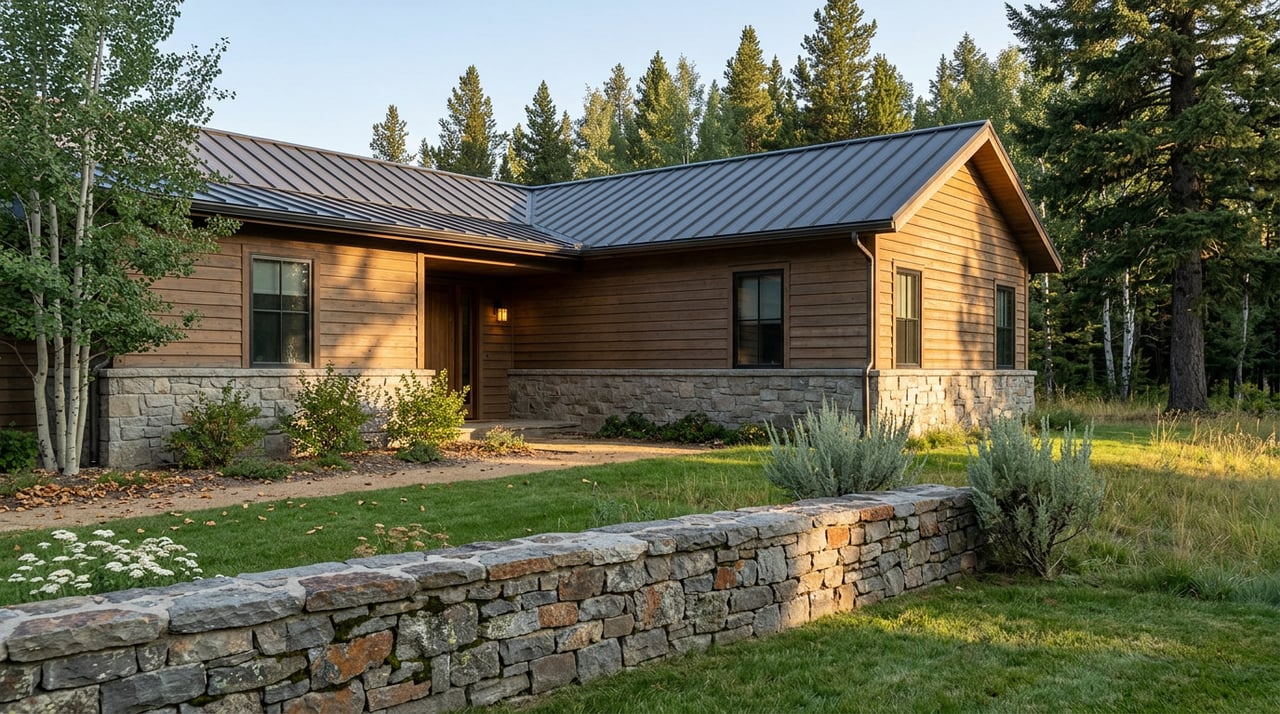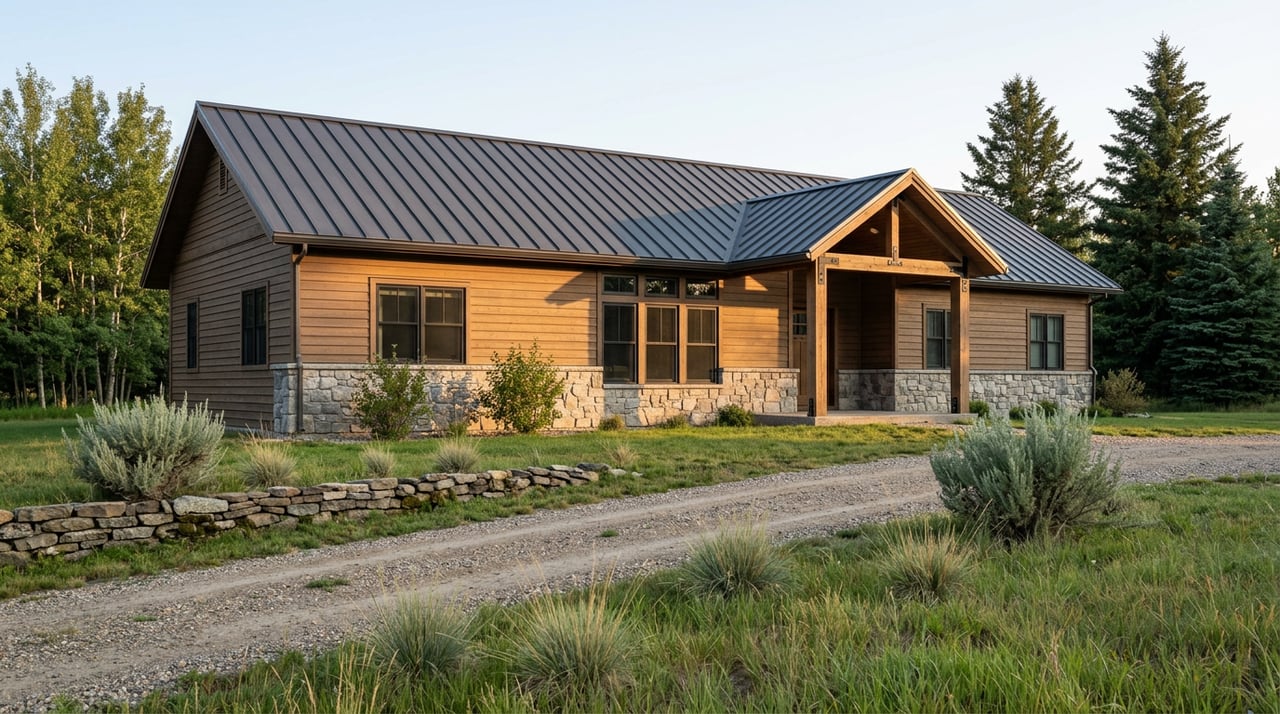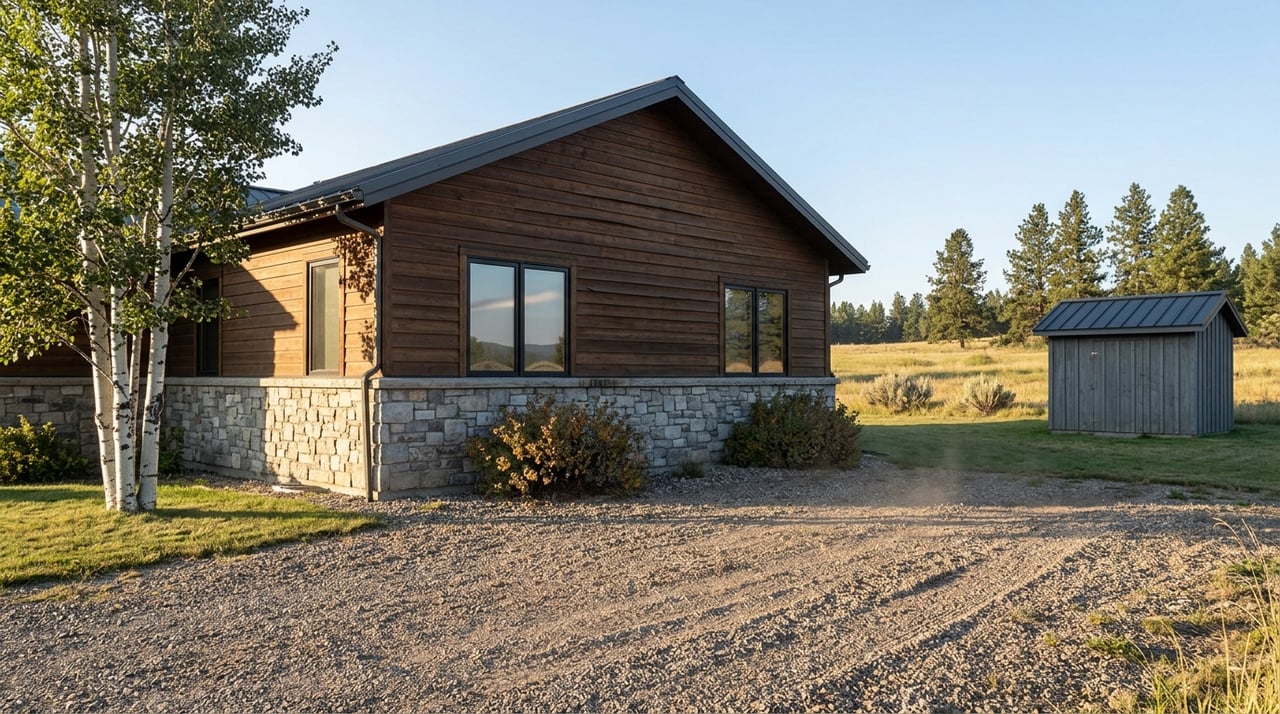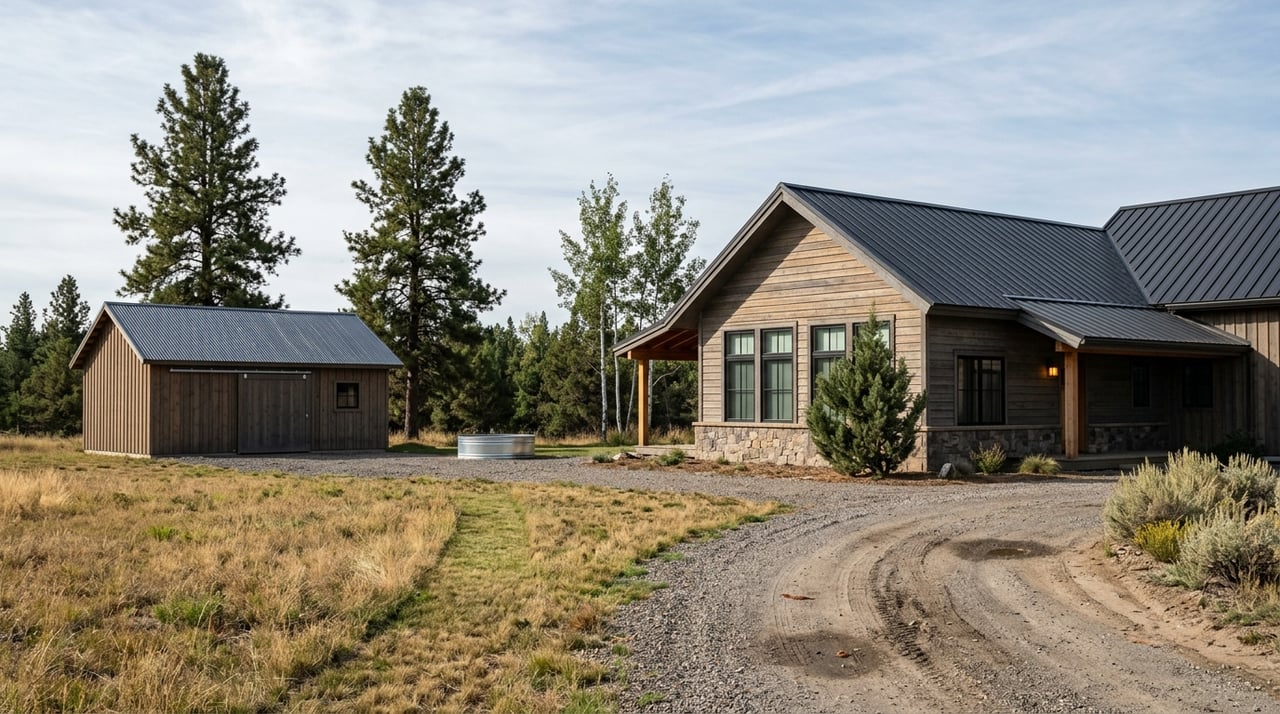
Dreaming about a few acres near Manhattan, Montana? It is easy to picture the views, extra elbow room, and flexibility that come with land, but small-acreage purchases often rise or fall on details you cannot see from the road. If you want to buy with confidence, you need to understand the local rules, utilities, and property constraints before you fall in love with the setting. Let’s dive in.
Start With Jurisdiction First
When you buy small acreage near Manhattan, one of the first things to confirm is which local rules apply to the parcel. A property may be inside the Town of Manhattan, inside Manhattan’s planning jurisdiction, or elsewhere in Gallatin County. That matters because zoning, subdivision review, and permit pathways can change depending on location.
Gallatin County recommends starting with the interactive mapper and then confirming whether the parcel falls under town or county review. If the parcel is in the Town of Manhattan, the town has its own zoning map and permit process. If it is outside that area, Gallatin County subdivision and zoning rules may apply.
This is one of the biggest reasons acreage buying is different from buying a typical in-town home. Before you focus on fences, shops, animals, or future plans, make sure you know which office has authority over the property.
Review Zoning Before You Assume Anything
Once you know the jurisdiction, the next step is zoning. Gallatin County advises buyers to review district regulations for setbacks, building height, density, accessory buildings, permitted uses, and conditional uses. In plain terms, zoning helps answer what you can build, where you can place it, and how you can use the land.
This is especially important if you are considering a property for more than just a home site. A barn, shed, corral, fenced run, guest space, or caretaker structure may all be treated differently under local rules. What looks like a simple acreage property can come with specific limitations that affect your plans.
If the parcel is in town, expect more defined local review. The Town of Manhattan’s forms include zoning permits, conditional use permits, variances, fence permits, chicken coop licenses, kennel licenses, and other building-related applications. That does not mean a property will not work for you, but it does mean you should verify your intended use early.
Check Access Early
A beautiful parcel is much less appealing if access is unclear. Legal access should be one of your earliest due diligence items, especially for rural or semi-rural land. Gallatin County requires a Road Access Permit if a new driveway connects to a county-maintained road.
Access questions can also become more complicated when unnamed roads or shared driveways are involved. County guidance notes that those situations can create additional naming and access issues. In practical terms, you want to know not only how you reach the property, but also whether that access is documented and usable for your intended improvements.
Timing matters too. Gallatin County’s Road and Bridge Department can impose seasonal 16-ton weight limits on some roads and may have winter work closures in county rights-of-way. If you plan to build soon after closing, road restrictions could affect construction schedules and deliveries.
Understand Water Before You Buy
Water is one of the most important parts of evaluating small acreage in Montana. If a parcel is served by town water, your path may be more straightforward than a rural property that relies on a private well. For in-town parcels, the Town of Manhattan’s public works system includes a wastewater treatment plant, and the town can help confirm utility-related contacts and permit steps.
For rural parcels, you need to look carefully at water rights and well documentation. The Montana Department of Natural Resources and Conservation says most new water uses require a water right. Exempt wells are generally limited to groundwater uses of 35 gallons per minute or less and no more than 10 acre-feet per year.
There is also an upcoming procedural change to know. Starting January 1, 2026, anyone intending to use water under the permit exception must file a Notice of Intent before using an exempt well. That makes early review even more important if you are buying land with plans to build.
It is also important not to confuse a well log with a water right. DNRC specifically states that a drilled well does not automatically mean there is a valid water right or an approved household supply. If a parcel depends on a well, make sure the water situation is documented clearly and reviewed as part of your due diligence.
Compare Private Well and Town Water Carefully
Not every buyer wants the same setup. Some people prefer town services for simplicity, while others want a more rural property with a private well and more separation from neighboring homes. Neither option is automatically better, but they come with different questions.
Montana DEQ defines a public water system as one that serves 25 or more people for more than 60 days a year or has 15 or more service connections. Private wells are not regulated under those same drinking-water rules. That distinction matters when you compare a parcel with municipal service to one that depends on private infrastructure.
If you are considering a private well property, Gallatin County also offers a free well water testing kit resource. That can be a useful part of your checklist as you evaluate water quality and long-term use.
Septic Can Be a Major Decision Point
If the property is not connected to town sewer, the wastewater system needs careful review. Montana DEQ treats subsurface wastewater systems as regulated state projects. New or amended systems can require DEQ applications and review.
That means a parcel without an existing approved septic setup may involve more steps than buyers expect. You want to know whether septic approval already exists, whether the current system matches the intended use, and whether any changes would require state review.
For small acreage, water and septic often go hand in hand. A parcel may look ideal on the surface, but if one or both pieces are unresolved, your plans may become more expensive or more complicated.
Think Beyond Today’s Use
Acreage buyers often think ahead. You may want room for animals, a future shop, additional fencing, or flexibility to adjust the property later. Those are smart questions to ask before closing, not after.
Gallatin County’s zoning guidance says buyers should pay close attention to accessory structures, permitted uses, conditional uses, and general development standards. That is especially important for practical acreage features like barns, sheds, corrals, fenced runs, or guest-related structures.
If the property is in the Town of Manhattan, local code reminders also flag chicken regulations, and town rules require licensing for dogs over six months old and prohibit dogs at large. If animals are part of your vision for the property, confirm what is allowed under the applicable rules before you move forward.
Floodplain, Wildfire, and Site Constraints Matter
Small acreage is not just about the parcel lines on a listing map. Gallatin County planning materials show that property review should also consider surrounding land-use context, including the county’s 2024 Growth Policy and related wildfire and sensitive-lands plans.
Floodplain review is another important step. Gallatin County notes that work in mapped floodplain areas can require permits for grading, excavation, fill, bank stabilization, or new structures. The county also notes that its floodplain maps are informational and do not show every possible flood risk.
Wildfire exposure and other site constraints should also be part of your evaluation. These issues do not automatically rule out a property, but they can affect build plans, costs, insurance considerations, and long-term ownership decisions.
Covenants and Future Splits Need Early Review
Many acreage buyers want options later, whether that means rearranging boundaries, transferring part of the property, or exploring a future split. Gallatin County’s subdivision guidance distinguishes between standard subdivision review and certain exemption processes, including agricultural, family transfer, boundary adjustments, mortgage survey, townhouse lots, and condominiums.
That does not mean every parcel can be split or adjusted easily. It means the path depends on the property, the jurisdiction, and the purpose of the change. If future flexibility matters to you, ask those questions before you buy.
Recorded covenants also deserve close attention. Gallatin County specifically advises buyers to check them because they can limit property use even when zoning appears to allow it. In other words, zoning is only one layer of the picture.
Build the Right Due Diligence Team
The best small-acreage purchases usually come from a coordinated process, not a rushed one. Because zoning, access, water rights, wastewater, and floodplain review can involve different offices and specialists, it helps to work with a team that understands how these pieces fit together.
A practical team may include a local buyer’s agent, surveyor, title or escrow professionals, a lender comfortable with acreage, and specialists for wells and septic systems. If your intended use is unclear under town or county rules, planning staff should be involved early.
This is where experience really matters. A strong local guide helps you move past the marketing language and focus on the questions that affect value, usability, and risk.
Key Questions to Ask Before Closing
If you are serious about buying small acreage near Manhattan, keep your due diligence focused on the basics first. These questions can help you stay on track:
- What jurisdiction applies to the parcel?
- What zoning district is it in?
- Is there legal road access?
- Is water existing, approved, and documented?
- Is septic approved or already installed?
- Are your planned structures or uses allowed?
- Are there floodplain, wildfire, covenant, or subdivision constraints?
- If future flexibility matters, could the parcel be subdivided or adjusted later?
When you answer these questions early, you can make a much more informed decision. That protects both your lifestyle goals and your long-term investment.
Buying small acreage near Manhattan can be incredibly rewarding when the property fits your plans and the details check out. The key is to treat the process like a land purchase first and a dream purchase second. If you want a clear, local perspective on acreage opportunities in the Gallatin Valley, connect with Brian Heck for thoughtful guidance from search to closing.
FAQs
What should you verify first when buying small acreage near Manhattan, Montana?
- First, verify whether the parcel is in the Town of Manhattan, within Manhattan’s planning jurisdiction, or elsewhere in Gallatin County, because that determines which zoning and subdivision rules apply.
How do zoning rules affect small acreage near Manhattan?
- Zoning can affect setbacks, building height, density, accessory buildings, permitted uses, and conditional uses, so it directly impacts what you can build and how you can use the property.
Why is legal access important for acreage in Gallatin County?
- Legal access matters because a new driveway onto a county-maintained road requires a Road Access Permit, and shared driveways or unnamed roads can create additional access and addressing issues.
What should you know about wells and water rights in Montana?
- A drilled well does not automatically mean there is a valid water right, and most new water uses require a water right, while certain exempt wells are limited by flow and annual volume rules.
Does a rural parcel near Manhattan need septic approval?
- If the parcel uses a subsurface wastewater system instead of town sewer, DEQ review and permitting may be required for new or amended septic systems.
Can you keep animals on small acreage in or near Manhattan?
- Maybe, but you should confirm the specific zoning and local code rules first, because animal-related uses, chicken regulations, kennel licensing, and similar issues can vary by jurisdiction.
Should you ask about floodplain and wildfire risk before buying acreage?
- Yes, because floodplain permits, wildfire exposure, and other site constraints can affect where and how you build, along with future costs and property use.
Can a small-acreage parcel near Manhattan be split later?
- Possibly, but subdivision rules, exemption pathways, jurisdiction, and recorded covenants all need to be reviewed before assuming future lot splits or boundary changes are allowed.