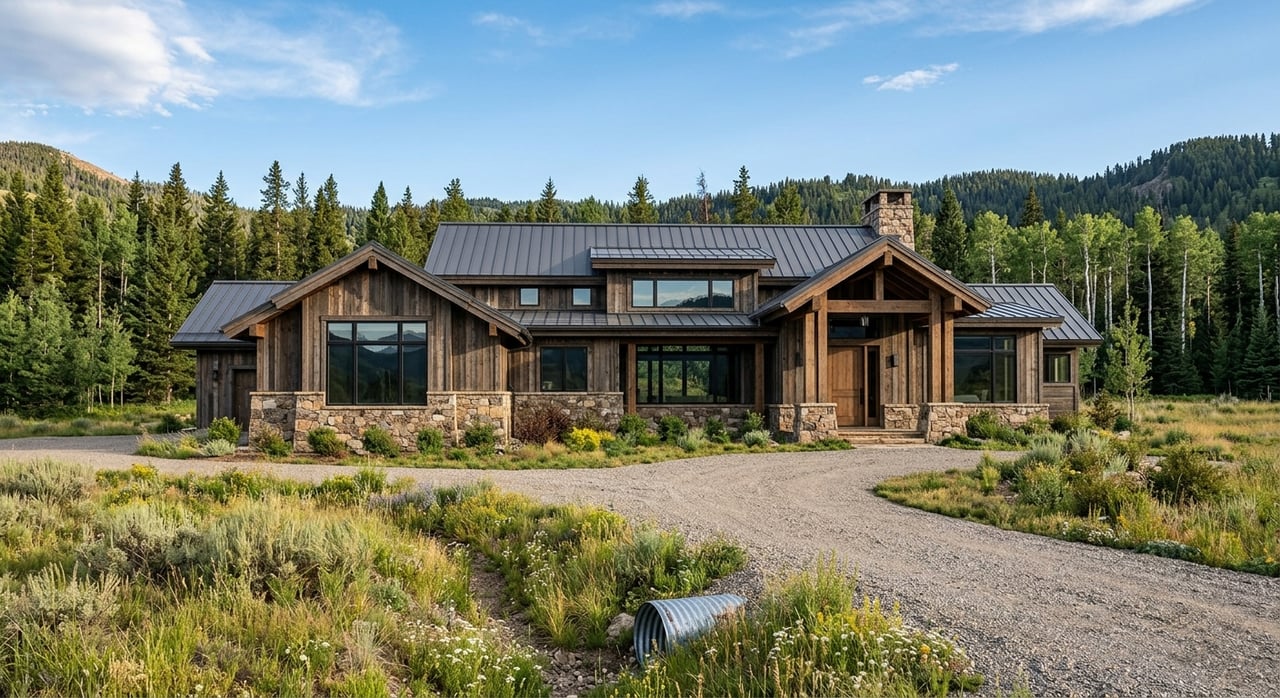
Thinking about building a custom home near Ennis? It is easy to fall in love with the views first and ask questions later, but with raw land, the details matter just as much as the setting. If you want a homesite that truly works for your goals, you need to look closely at zoning, access, water, septic, and risk factors before you move forward. This guide will help you plan with more confidence and fewer surprises. Let’s dive in.
Why Ennis Land Planning Matters
The Ennis area offers a striking setting in the Madison River Valley, about 60 miles southwest of Bozeman and 70 miles northwest of West Yellowstone. You are surrounded by the Madison, Gravelly, and Tobacco Root ranges, with the Madison River shaping much of the landscape. That scenery is a big part of the draw, but it also means land conditions can vary a lot from parcel to parcel.
That is why planning a custom home on land near Ennis usually takes more than picking a lot with a great view. Depending on where the property sits, you may need to account for town zoning rules, county subdivision standards, road access, wildfire mitigation, floodplain requirements, and utility approvals before construction can begin.
Start With Zoning and Location
One of the first questions to answer is whether the parcel is inside Ennis town limits, inside the town’s extraterritorial zoning area, or outside those areas in the county. That distinction affects which rules apply and what your next steps may look like.
If the parcel is inside town limits or the extraterritorial zoning area, the Town of Ennis zoning code applies. The official zoning map is the final authority for district status. In some districts, density rules can be very specific. For example, in the R-RD rural density district, density is limited to one dwelling unit per 10 acres.
If you are planning a custom build, that makes zoning review a non-negotiable first step. You want to confirm not only whether a home is allowed, but also whether the lot size, proposed placement, and intended use line up with the applicable district.
Check Subdivision Status Early
A parcel can look build-ready and still have unresolved subdivision issues behind the scenes. In Madison County, subdivision regulations address many of the items that directly affect whether land can support a home, including roads, water supply, wastewater treatment, utilities, floodplain rules, fire protection, and geologic review.
If the property is part of a subdivision process, timing matters. Madison County’s rules note that you generally cannot start water, sewage, or solid-waste facilities, or buildings that require those services, until the preliminary plat receives conditional approval. In subdivision cases, title to subdivided land generally cannot be sold or transferred until the final plat is recorded.
For buyers, the takeaway is simple: do not assume a parcel is ready for construction just because it is being marketed as land for sale. Confirm whether the lot is already legally created and whether any part of the subdivision process is still pending.
Review Access Before You Buy
Access is one of the biggest issues with raw land, especially outside town. A beautiful parcel does not help much if legal access is unclear or if the road situation creates delays and extra cost.
Madison County uses an encroachment permit for access onto county roads. County road standards say road layout should account for topography, maintenance, emergency services, public convenience, and utility easements. The county road department also handles related forms such as road names and utility occupancy or location agreements.
In practical terms, you should verify:
- Legal access to the parcel
- Whether access comes from a county road or private road
- Whether an encroachment permit may be needed
- Whether easements or rights-of-way affect your homesite or driveway plan
- Whether emergency access looks realistic in all seasons
Understand Flood and Wildfire Exposure
Near Ennis, risk screening should happen early, not after you are under contract. Madison County participates in the National Flood Insurance Program and enforces floodplain development regulations. County subdivision rules also say land subject to flooding may not be subdivided for building or residential use unless it complies with applicable requirements.
Wildfire is just as important. Madison County subdivision rules require wildfire mitigation when estimated emergency response time exceeds 15 minutes. The same rules say subdivisions must have some level of fire protection and adequate, accessible water for fire protection within one mile. Properties within or adjacent to the wildland-urban interface are also expected to follow WUI standards.
This does not mean every rural parcel is a problem. It does mean you should evaluate fire and flood exposure before treating a lot as a straightforward build site.
Look Beyond Views to Buildability
A custom home starts with the land itself. Slopes, drainage, soil conditions, and other site characteristics can shape where you can build and how much site work may be needed.
Madison County rules say subdivisions must provide satisfactory building sites in relation to topography. Where hazards exist, land should not be subdivided unless the hazards are eliminated or mitigated. The county may also require a geological or geotechnical report for property planned for subdivision.
That is a good reminder that buildability is not only about aesthetics. A parcel can feel perfect from the road and still present major design, engineering, or cost challenges once you study the site more closely.
Plan for Septic Approval
Septic is one of the biggest early gating items for land near Ennis. Madison County says a permit is required for all septic or wastewater treatment systems, and all wastewater systems must be installed by a county-licensed installer.
The application path depends in part on lot size:
- Lots under 20 acres need DEQ subdivision approval and a site plan showing approved drainfield and well locations.
- Lots 20 acres or larger, or lots created before the Sanitation in Subdivisions Act, need a nondegradation analysis.
This is one of the most important reasons to do your homework before closing. If septic approval is uncertain, your build timeline and total budget may change quickly.
Confirm Water Rights and Water Use
Water planning deserves just as much attention as septic. Montana DNRC says a Beneficial Water Use Permit is required for new or expanded surface-water uses and for groundwater uses over 35 gallons per minute or 10 acre-feet per year.
Smaller groundwater developments may qualify for a permit exception or exempt-well treatment. DNRC also states that beginning January 1, 2026, users developing water under the permit exception must file a Notice of Intent before putting the water to use.
For a custom home buyer, the key point is not to guess. You want a clear understanding of how water will serve the property and whether the planned use fits the applicable water-rights framework.
Know the Town Permit Rules
If your lot is in the Town of Ennis, permit requirements become even more important to track. A zoning permit must be obtained before land or a building may be used or occupied, or before a building or structure may be erected, placed, moved, expanded, or structurally altered.
The town’s zoning and planning process also points property owners toward site-zone and encroachment permit applications, and the Planning and Zoning Commission reviews site plans and plat applications. Once permits are issued, timing still matters. In town, zoning permits expire if work is not started within one year or substantially completed within two years.
That means your design, approvals, and construction schedule should all stay grounded in a realistic timeline.
Choose Your Builder Carefully
The right builder can help you move through a complex process with fewer surprises. Montana’s Department of Labor and Industry says all construction contractors with employees must register, and it recommends that homeowners verify current contractor registration and workers’ compensation coverage.
It also makes sense to ask for references and use a written contract. According to the state guidance, that contract should clearly state:
- Scope of work
- Materials
- Start date
- Completion date
- Payment terms
- Liability if the project is not finished
For a custom home on raw land, that level of clarity matters. Approvals, weather, utility work, and site conditions can all affect the schedule, so a solid contract helps everyone stay aligned.
Set Realistic Timing Expectations
One of the biggest mistakes buyers make is assuming the build schedule starts when they buy the land. In reality, approvals often come first and construction comes second.
In Madison County, the first minor subdivision process calls for a decision within 35 working days of a complete and sufficient application. Major subdivisions are due within 60 working days, or 80 working days for proposals with 50 or more lots. Final plat materials should be submitted at least 60 working days before preliminary approval expires, and planner completeness review is completed within 20 working days.
Even if your parcel is not going through a new major subdivision, these timelines show why raw-land planning takes patience. The earlier you verify zoning, subdivision status, access, septic, water, and risk factors, the better positioned you will be to set a realistic path to construction.
A Smart Pre-Purchase Checklist
Before you move forward on land near Ennis, it helps to work through a simple checklist. This can keep excitement from outrunning due diligence.
Here are the key items to confirm early:
- Zoning district and applicable density rules
- Whether the parcel is in town, the extraterritorial zoning area, or county jurisdiction
- Legal subdivision status
- Road access and any needed encroachment approvals
- Easements, rights-of-way, covenants, or conservation easements
- Floodplain exposure
- Wildfire exposure and mitigation expectations
- Septic approval path
- Water rights or water-use requirements
- Utility availability
- Site topography and any geologic concerns
- Builder registration and contract terms
Madison County also asks property owners to check with the sanitarian before construction begins to see whether a construction or demolition permit is needed. It is one more reminder that local process matters at every stage.
Why Local Guidance Helps
Buying land for a custom home near Ennis can be exciting, but it also asks more of you than a typical home purchase. You are not only evaluating price and location. You are evaluating risk, approvals, timing, and the real-world path from raw land to finished home.
That is where calm, local guidance can make a difference. When you understand the questions to ask before you buy, you can protect your budget, avoid preventable delays, and move toward a build that truly fits your goals.
If you are exploring land near Ennis and want help thinking through zoning, access, subdivision status, and overall property fit, Brian Heck can help you approach the process with clear eyes and a solid plan.
FAQs
What should you check before buying land near Ennis for a custom home?
- You should confirm zoning, subdivision status, legal access, septic requirements, water-use rules, flood and wildfire exposure, utility availability, and site buildability before assuming the parcel is ready for construction.
Does Ennis zoning affect custom home plans on land near town?
- Yes. If a parcel is inside Ennis town limits or the extraterritorial zoning area, the town zoning code applies, and the official zoning map controls the district status and related standards.
How important is septic approval for land near Ennis?
- Septic approval is one of the biggest early steps because Madison County requires a permit for all septic or wastewater systems, and the application requirements differ based on lot size and lot history.
Do you need to review wildfire and flood risk on Ennis-area land?
- Yes. Madison County enforces floodplain development regulations and requires wildfire mitigation in certain subdivision situations, especially where emergency response times are longer.
What builder steps matter for a custom home in Montana?
- You should verify contractor registration, check workers’ compensation coverage, ask for references, and use a written contract that clearly spells out the scope, materials, timeline, payment terms, and project responsibility.
Can you start building right after buying raw land near Ennis?
- Not always. Depending on the parcel, you may need to resolve zoning, subdivision, access, water, wastewater, and permit issues before construction can legally begin.