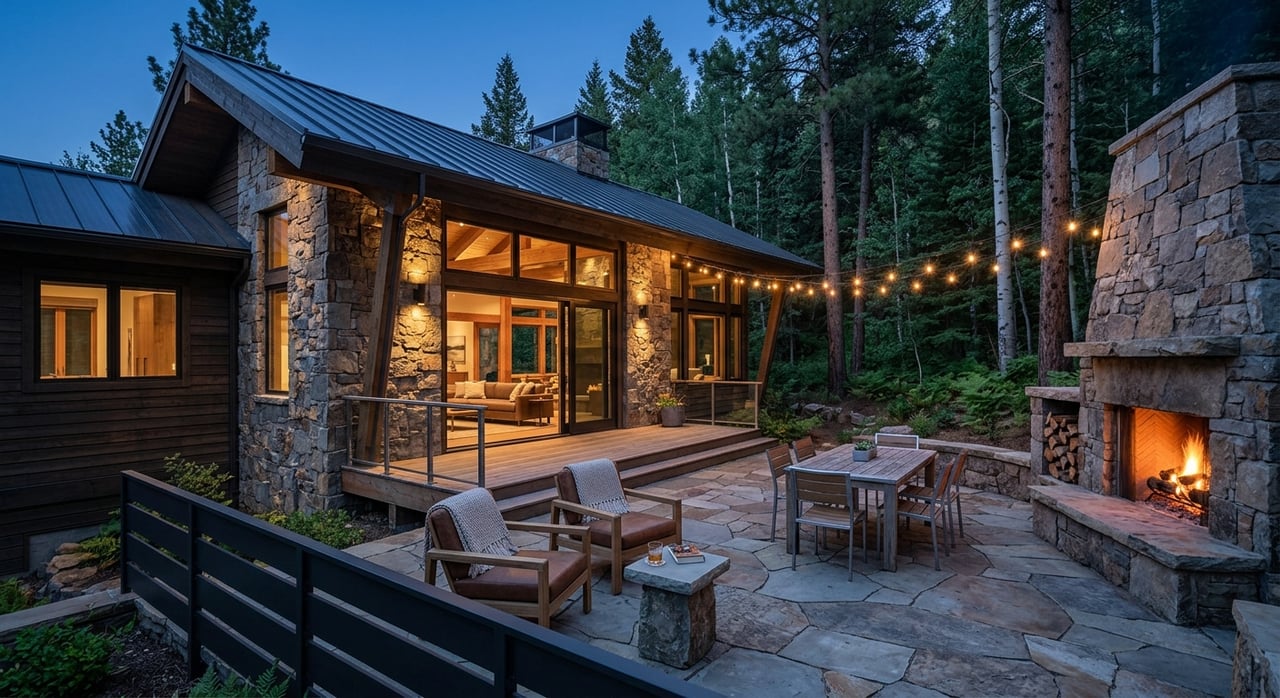
If you are looking for a place where open land still shapes daily life, Manhattan, Montana, deserves a closer look. This is the kind of town where agriculture is not just part of the history, but part of the present, and where community routines still revolve around parks, trails, local events, and the seasons. Whether you are thinking about a move or simply trying to understand what life feels like here, this guide will show you how Manhattan blends small-town connection with room to breathe. Let’s dive in.
Manhattan’s rural roots still matter
Manhattan’s identity is closely tied to agriculture and its early role as a rural community center. According to the town’s history, the community began as Hamilton in 1865, shifted with the railroad, and was renamed Manhattan in 1890. By 1904, ranching and agriculture were already central to the local economy.
That history is not just a story from the past. Visit Montana notes that Dutch families settled the area to grow barley for malters, and that today the area still produces seed potatoes, dairy, wheat, commercial beef, and registered cattle. If you spend time around Manhattan, that working-land character is easy to see in the fields, barns, and seasonal rhythms that surround town.
At the county level, Gallatin County’s agricultural footprint remains significant. The 2022 Census of Agriculture counted 1,009 farms across 655,883 acres in farms, with crops making up 67% of agricultural sales. The largest crop categories by acreage were forage, wheat, barley, and potatoes, which helps explain why the landscape around Manhattan still feels connected to production, harvest, and open space.
Country life with daily convenience
One of Manhattan’s biggest draws is that it offers a country feel without complete isolation. Visit Montana places Bozeman about 19 miles away, with Belgrade 9 miles away and Three Forks 11 miles away. That location gives you access to a quieter setting while keeping larger employment centers, services, and day-to-day conveniences within reach.
For many buyers, that balance matters. You may want more elbow room, more visible connection to the land, or a slower pace, but still need practical access to the rest of the Gallatin Valley. Manhattan stands out because it feels rooted in its own identity rather than functioning only as a pass-through or extension of somewhere else.
Community life happens in public spaces
In Manhattan, community life is easy to spot because it shows up in the parks, trails, and gathering spaces people actually use. The town website highlights continued trail-system expansion and maintenance of the trail from Manhattan to the Gallatin River. These public spaces help turn everyday routines like walking, jogging, or meeting friends outside into part of local life.
The town calendar gives a useful window into how those spaces are used. Taylor Park gazebo reservations appear for birthdays, reunions, youth gatherings, and other community events. Railroad Park also hosts public gatherings, showing that the parks are active parts of the town’s social rhythm rather than just green space on a map.
Historic buildings also continue to serve practical civic purposes. The town history page notes that the former Manhattan State Bank now houses the Senior Citizens Center and Community Center. That kind of reuse says a lot about the town’s character, with older places still supporting current community life.
Seasonal routines shape daily living
Part of country life is understanding that the seasons affect how a town operates. Manhattan’s website shares very practical local routines, which gives you a good sense of what everyday living looks like. In warmer months, irrigation rules are specific: even-numbered addresses water on even calendar days, odd-numbered addresses water on odd calendar days, and all residents may water on the 31st during designated morning and evening hours.
In winter, the town’s snow-plow plan also reflects a clear system. Plowing begins when snow reaches 6 inches or more, with primary routes handled first. These kinds of details may seem small, but they help show that life here is shaped by weather, infrastructure, and shared expectations in a very real way.
For buyers considering a move, this practical side of Manhattan can be appealing. It suggests a town where daily operations are visible and where local systems support how residents live through changing seasons.
Farmers markets bring people together
The Manhattan Farmers Market is one of the clearest examples of how local agriculture and community life meet in one place. According to Gallatin Conservation District, the 2026 season runs on Wednesdays from June 17 through September 9, from 4 to 7 p.m. at Railroad Park. The market brings together fresh produce, handcrafted goods, baked treats, food trucks, and live music.
The Chamber’s event listing adds art, crafts, and more fresh local products to that picture. For residents, this creates a dependable weekly gathering during the summer season. For newcomers, it offers an easy way to get a feel for the town and see how local producers, small businesses, and neighbors connect.
In a place like Manhattan, a farmers market is more than a shopping stop. It is part of the weekly rhythm, and it reflects the agricultural base that still helps define the area.
The Potato Festival shows local pride
If you want one event that captures Manhattan’s personality, the Manhattan Potato Festival is probably it. Yellowstone Country says the festival is held every August and typically includes a parade, 5K run, car show, live music, and a craft-and-food vendor fair. The Gallatin County 4-H calendar lists the 2026 festival on August 15, 2026.
What makes the event notable is how directly it ties agriculture to community identity. The potato is not just a symbol pulled from history. It points to the area’s working landscape and turns that local foundation into something people celebrate together.
For anyone exploring the area, events like this can tell you a lot about place. They show what a town values, what it remembers, and how it chooses to gather.
Local events keep the calendar active
Beyond the Potato Festival, Manhattan has other traditions that reinforce its community feel. The Manhattan Classic Car Show & Farm Fun is described by the Chamber as a free annual event with more than 75 classic vehicles, live music, cornhole, live farm animals, and local artisan vendors at Altenbrand Park. That mix feels very on-brand for Manhattan, combining recreation, local flavor, and an agricultural backdrop.
Taken together, the farmers market, Potato Festival, and car show create a social calendar that feels active without feeling crowded. These events offer regular ways to participate in town life, whether you are raising a family, relocating to the area, or looking for a place with stronger community touchpoints.
Trails and river access add another layer
Manhattan’s appeal is not only about town life. Outdoor access is also part of the picture, and it starts close to home. Yellowstone Country says the Gallatin River is just minutes from Main Street and is used for trout fishing, rafting, horseback riding, hiking, and biking.
The Manhattan-to-Gallatin River Trail adds another local option. Gallatin Conservation District says the trail includes interpretive signs and is used by hikers, bikers, dog walkers, and joggers. That gives you an easy way to connect with the landscape without needing a major day trip.
For many buyers, this kind of access matters as much as the home itself. Being close to a trail, the river, and open views can shape how you spend your weekends and even your average weekday evening.
Nearby recreation expands your options
Living in Manhattan also puts you within reach of broader regional recreation. Yellowstone Country points to the Headwaters Trail System and nearby Missouri Headwaters State Park. Montana Fish, Wildlife & Parks says Missouri Headwaters State Park is where the Jefferson, Madison, and Gallatin rivers meet to form the Missouri River, and that the park offers camping, foot trails, fishing, picnicking, bicycling, hiking, interpretive displays, and photography.
That wider access supports one of Manhattan’s strongest lifestyle advantages. You can enjoy the grounded, working-town feel of daily life while still having multiple outdoor destinations nearby. For buyers who value both community and recreation, that combination can be especially compelling.
What Manhattan lifestyle feels like
The best way to describe Manhattan is that it feels lived in, not staged. Its agricultural roots are still visible, its events still reflect local traditions, and its seasonal routines still shape daily life. That creates a setting with genuine character and a sense of continuity.
If you are considering a move in the Gallatin Valley, Manhattan may appeal to you if you want open space, local traditions, access to trails and the river, and a location within reach of Bozeman. It offers a version of Montana living that is practical, connected, and still closely tied to the land around it.
When you are weighing where to land, it helps to work with someone who understands both the lifestyle side and the market side of the decision. If you are curious about homes, acreage, or the wider Gallatin Valley market, Brian Heck can help you explore your options with local insight and a steady, informed approach.
FAQs
What is community life like in Manhattan, Montana?
- Community life in Manhattan centers on public spaces, local events, seasonal routines, and regular gatherings like the farmers market, park events, and annual festivals.
What makes Manhattan, Montana feel rural?
- Manhattan’s rural feel comes from its agricultural history, the working farmland around town, and Gallatin County’s large farming footprint with 1,009 farms across 655,883 acres.
What annual events happen in Manhattan, Montana?
- Manhattan’s best-known annual events include the Manhattan Potato Festival in August and the Manhattan Classic Car Show & Farm Fun, along with the summer farmers market season.
What outdoor activities are near Manhattan, Montana?
- Near Manhattan, you can access the Gallatin River, the Manhattan-to-Gallatin River Trail, the Headwaters Trail System, and Missouri Headwaters State Park for hiking, biking, fishing, and more.
How far is Manhattan, Montana from Bozeman?
- Visit Montana places Manhattan about 19 miles from Bozeman, with Belgrade 9 miles away and Three Forks 11 miles away.