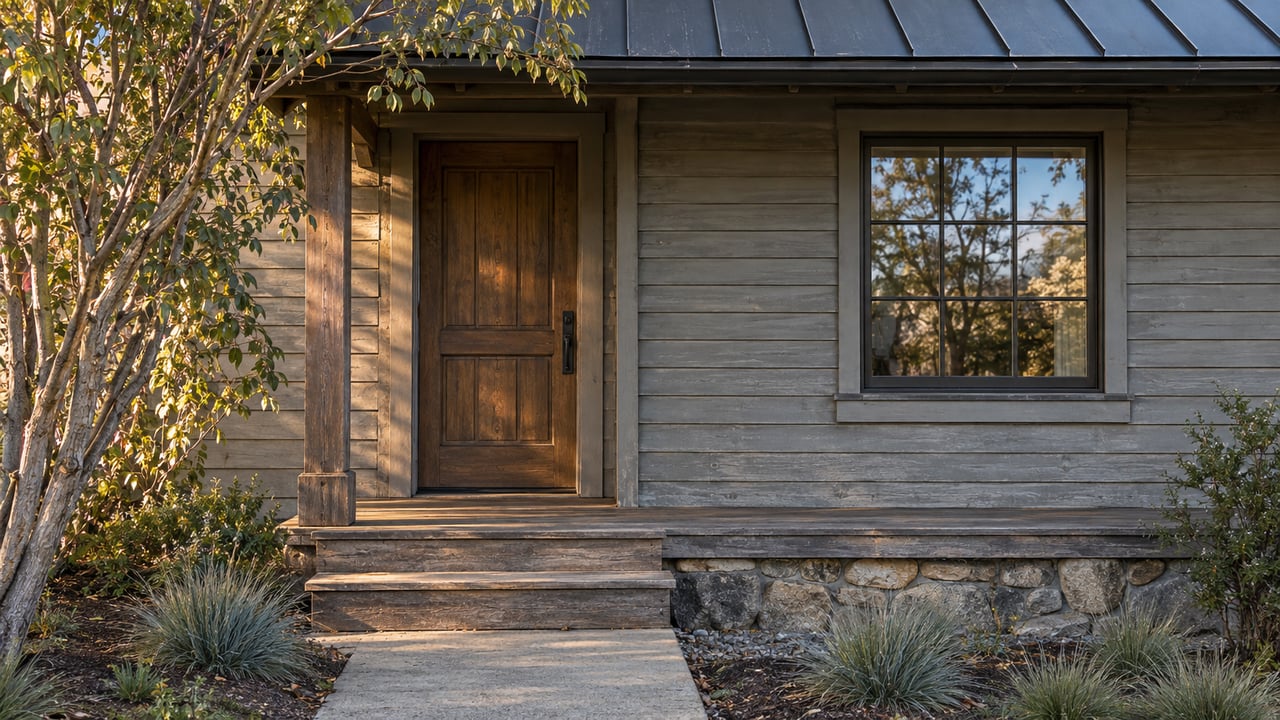
You close on a house in Livingston's Westside Residential district, one of the turn-of-the-century homes a few blocks off Main Street, and the porch decking is shot. Nothing structural, just old wood that needs replacing before winter. You pull up the city's page on historic preservation because the address sits inside a National Register district, and it tells you exactly what to expect: the Historic Preservation Commission reviews and approves any change to a building's exterior downtown, meetings happen the second Tuesday of each month at 3:30 p.m. in the City-County Building at 414 East Callender Street, and you need to file with the Planning Department at least ten days ahead. You plan your project around that calendar.
Here's the part the page doesn't tell you. The board it describes hasn't had the authority to approve anything since May 2025.
What the Ordinance Still Says
Livingston's Historic District Overlay Zoning Ordinance dates to 1982, and the version of it still sitting in the city's code, last amended in 2021, is specific about who holds the pen. Within the Downtown Historic District, the ordinance states that any project affecting a building's exterior appearance, including work that wouldn't otherwise need a permit, requires review by the Historic Preservation Commission and a Historic District Review Certificate before a building permit can be issued or work can start. The city's current preservation page repeats that framing almost word for word: the HPC is "tasked with reviewing and approving all proposed changes to building exteriors within the Downtown Historic District, including facades, painting, signage, and window displays."
The commission itself is a five-member volunteer body, and the seats aren't interchangeable. By ordinance, one member has to be a locally licensed contractor, one a resident with knowledge of Livingston's history, one an owner or lessee of property inside the historic district, and two have to carry professional credentials in fields like architecture, architectural history, or historic preservation. As of last year, those seats were held by Jack Luther, Thomas Blurock, Kristin Vanderland, Linda Gibson, and Elijah Isaly. That's the panel of expertise a buyer reading the ordinance would reasonably expect to sign off on a window replacement or a facade repair.
What Senate Bill 214 Actually Changed
Montana's Senate Bill 214, signed by Governor Gianforte on May 5, 2025, removed the exception that had allowed local historic preservation boards like Livingston's to review zoning permit and variance applications. The stated purpose was to streamline permitting statewide. In practice, it meant Livingston's HPC lost the legal basis for the exact authority its own governing ordinance still describes.
City staff spent the following months figuring out what to do with a 43-year-old commission that suddenly couldn't approve the thing it was created to approve. At a Land Use Board meeting on September 17, 2025, Planning Director Jennifer Severson and City Manager Grant Gager laid out a proposed code fix, reported by the Livingston Enterprise: the HPC would be able to "provide non-binding recommendations on applications involving alterations to historic resources to the Zoning Administrator," but those recommendations "shall be advisory and shall not be considered an action on the issuance or denial of variances or building permits." The zoning administrator is Severson. Under the fix as proposed, permit sign-off for exterior work in the historic district runs through her desk, not through a board vote.
Severson was direct about the gap this created. She told the Land Use Board that historic preservation and the city's historic districts remain important, and that staff had no intention of disbanding the commission. But she also noted that since Gianforte signed the bill, no property owner had come to the HPC asking for its input, and that she had personally handled the two construction design reviews that had come in in the prior couple of months, consulting the State Historic Preservation Office for help on one because, in her words, she isn't a historic architecture planner by training.
The Grant Money Still Points to the Old Chain
The financial side of Livingston's preservation system hasn't caught up to the legal side either. The city's Urban Renewal Agency runs three grant programs tied to exterior and residential work inside the Urban Renewal District: a Downtown Enhancement Program covering up to 75 percent of costs with a $25,000 cap, a Facade Repair and Renovation Program reimbursing up to 50 percent of costs up to $100,000, and a Residential Rehabilitation Grant Program for residential spaces within the district. The URA's own program page still tells applicants that "all exterior modifications to properties within the Downtown Historic District must be approved by the City's Historic Preservation Commission (HPC) before work begins and before any necessary building permits will be issued for the work."
A meeting packet from May 2026 shows how that's actually playing out. A facade and rehabilitation grant application for a property at 116 North Main Street, home to Fireflies Pottery & Coffee, sought $33,427, half of a $66,853 project covering new electrical and plumbing, interior wall work, hallway improvements, and four window replacements. The packet notes that staff, not the commission, "conducted a Historic Design Review of the project and approved the use of wood-clad, one-over-one windows." That's the zoning administrator's sign-off, described in the same language the ordinance and the URA page still reserve for the board. Fireflies had already gone through the URA once before, in the spring, for a smaller grant to repaint and reletter its storefront, according to the Livingston Enterprise's coverage of the request.
None of this means the money isn't real or the process isn't working. It means the paperwork a grant applicant receives describes an approval chain that isn't the one actually reviewing the project.
What This Means If You're Buying or Renovating in One of the Four Districts
Livingston has four National Register historic districts: Westside Residential, Eastside Residential, B Street, and Downtown business. Severson has said she's looking at whether the HPC's advisory role could extend to the other three residential districts, not just downtown, and that owners of historic properties outside any district could also seek the board's input on request. None of that changes who holds binding authority today.
If you're under contract on a character home in one of these districts and planning exterior work, the practical move is to call the Planning Department directly, at 406-222-4903 or [email protected], and ask who is reviewing your specific project rather than assuming the monthly HPC meeting cycle described online still governs the timeline. The same applies if you're weighing a Facade Repair, Downtown Enhancement, or Residential Rehabilitation grant to offset renovation costs. The percentages and caps on those programs are accurate. The description of who signs off before the check gets cut may not be.
For a buyer, this cuts both ways. A single-desk review can move faster than waiting on a five-member volunteer board's monthly calendar, which matters if a renovation contingency is sitting on your closing timeline. But the specific expertise the ordinance built into that board, the contractor's seat, the architectural historian's seat, isn't guaranteed to touch your project unless someone asks for it. Severson has shown she'll pull in the State Historic Preservation Office when a design is outside her own training. Whether that happens on your project is worth asking about directly, not assuming from the ordinance text.
A Few Questions Worth Asking Directly
Do I still need a Historic District Review Certificate for exterior work downtown? The requirement is still in the written ordinance. Confirm with the Planning Department who is issuing it and on what timeline before you schedule contractors.
Does this change anything for homes outside the Downtown Historic District? The binding review requirement in the ordinance is specific to the Downtown Historic District. Severson has floated expanding the HPC's advisory reach into the Westside Residential, Eastside Residential, and B Street districts, but that's advisory, not a permit requirement, and it wasn't in place as of the most recent reporting.
Is the Historic Preservation Commission going away? City staff have said no. The proposed code change keeps the board's membership structure and lets it advise property owners who ask, including on projects outside a historic district. It just removes the board's power to approve or deny.
If you're considering a home in one of Livingston's historic districts and want a clearer read on what a renovation actually requires before you write an offer, Brian Heck can walk through the property and the process together, and get you a home valuation that accounts for what a project like this really takes to finish.