If you are thinking about selling in Bozeman, pricing is the decision that sets everything else in motion. Price too high and you risk long days on market and painful reductions. Price too low and you may leave money on the table. In this guide, you’ll get a clear snapshot of today’s market, how agents build a price the right way, which updates pay, and how local rules can affect your bottom line. Let’s dive in.
Bozeman market snapshot 2026
Public snapshots show a wide range of figures depending on the month and area you look at. As of late 2025, countywide median listing prices were reported around the mid 600s to the high 800s, with one December 2025 county snapshot at approximately 839,000, a sale-to-list ratio near 98 percent, and a median of roughly 98 days on market. For Bozeman city, a January 2026 public report showed a median sale price near 615,000, while some late 2025 local MLS dashboards showed medians higher in certain months because of product mix and smaller samples.
Those ranges are normal in a small, dynamic market. Montana is also a non-disclosure state, so the most reliable sold data lives inside the MLS. Always use a fresh, MLS-based CMA for your specific address.
Why numbers disagree
- Definitions vary. Median sale price, median list price, and Zillow’s ZHVI are different metrics. ZHVI is an index of home values, not a raw median sale price.
- Geography changes results. County vs city vs ZIP code can swing the numbers. A few high-end or condo sales can move a monthly median.
- Sample sizes are small. Monthly sales counts can be modest, which increases volatility from one month to the next.
What this means for you
Use public data as trend context, not as the final word. Then anchor your list price to a current MLS CMA for your micro-market, with recent solds and your real competition.
How agents set list price
A strong list price starts with a disciplined market analysis. The National Association of REALTORS explains the core pieces of a pricing analysis and why they matter for sellers. You should expect your agent to walk you through each step.
The CMA steps that matter
- Define your micro-market. Buyers compare by neighborhood, price band, and lifestyle fit. Your agent will narrow the comp set to what buyers would actually view as substitutes.
- Pull comparables. Recent solds are primary. Active and pending listings show current competition and demand. Expired and withdrawn listings can reveal overpricing.
- Adjust for differences. Square footage, beds and baths, lot size, condition, age, permitted upgrades, garage, view, outdoor living, and energy features all require adjustments. See the NAR consumer guide on pricing for a deeper look at how these factors are considered in practice. NAR outlines this CMA approach.
- Reconcile a range. Your agent will convert the adjusted range into a strategic list price tied to your timeline and risk tolerance.
- Recommend prep. Sometimes light pre-list fixes, staging, or a credit can improve your net and speed.
Appraisal vs CMA
An appraiser follows formal standards, with documented dollar adjustments for market conditions and property differences. Lenders rely on that report for financed buyers. Agents build CMAs to win buyers in the market now, so they also include active competition and strategy. If a buyer’s appraisal comes in below your contract price, you may see renegotiation unless the buyer brings cash or uses an appraisal gap solution. You can read how appraisers adjust comparable sales in the Fannie Mae guide on adjustments. See Fannie Mae’s guidance on adjustments.
Bozeman micro-markets
Bozeman is a collection of micro-markets, not one uniform price. Inside city limits, values shift with proximity to downtown, access to trail systems and the Bridger foothills, lot orientation, floodplain or stream proximity, and views of the Bridger Range or the valley. School boundaries and HOA rules can also shape what buyers compare.
Location and lifestyle factors
- Walkability to Main Street, parks, and MSU amenities can increase buyer interest for certain segments.
- Views, sun exposure, and outdoor living space often see stronger demand in many price tiers.
- Floodplain, easements, and slope can influence usability and insurance, which affects value.
Who is buying today
Gallatin County remains one of Montana’s fastest-growing areas, with MSU enrollment acting as a consistent demand anchor. Population and university trends continue to support both rental and owner demand. For context on local growth, review Gallatin County’s QuickFacts. Buyer origin also matters. Local buyers, relocators, and second-home purchasers often target different price bands and neighborhoods.
Condition and smart updates
Your home’s condition sits at the center of your pricing strategy. Agents and appraisers make dollar adjustments for recent systems, updated kitchens and baths, finished basements, permitted ADUs, acreage and outdoor living, and energy or insulation upgrades. If a project lacks permits, it can reduce buyer confidence and appraisal acceptance. Documentation helps. Keep receipts, permit records, and contractor info ready. The NAR consumer guide explains how these elements factor into pricing. See NAR’s guidance on pricing inputs.
What buyers notice
- Roof, foundation, HVAC, and windows that are recent and documented
- Kitchens and baths with a clean, neutral update
- Layout efficiency, storage, and light
- Outdoor spaces that extend living and capture views
Small projects with payoff
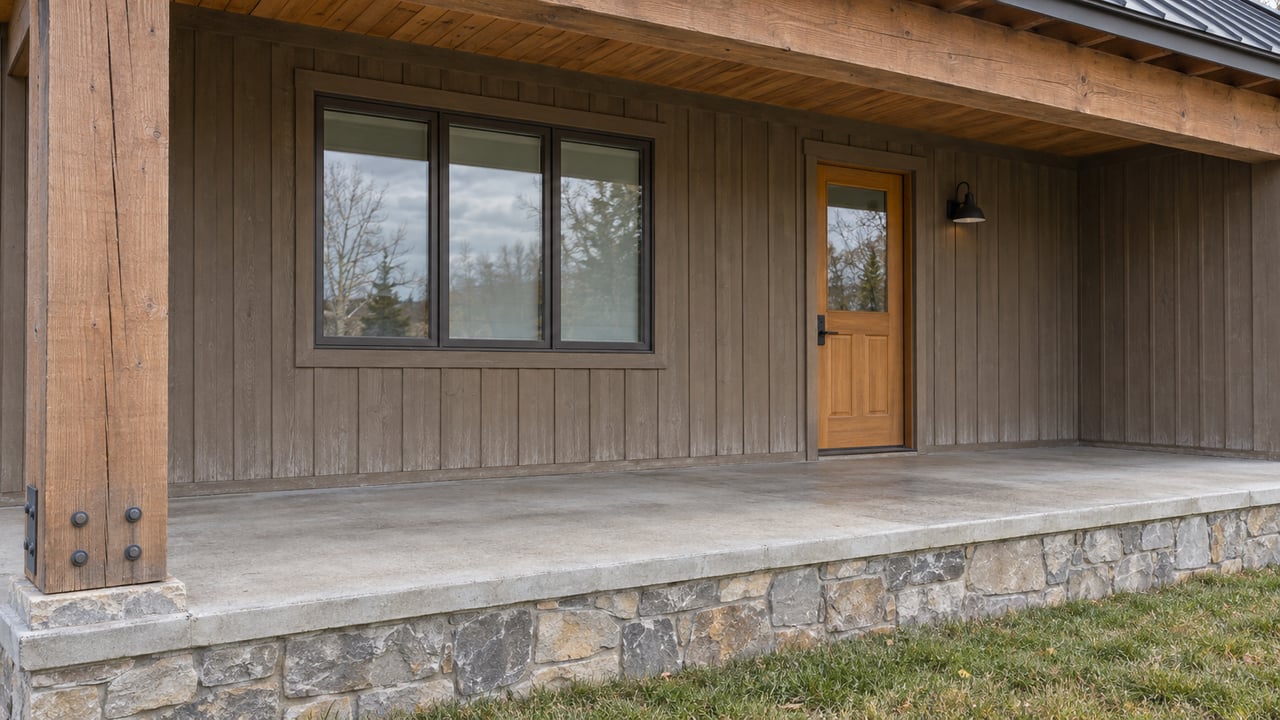
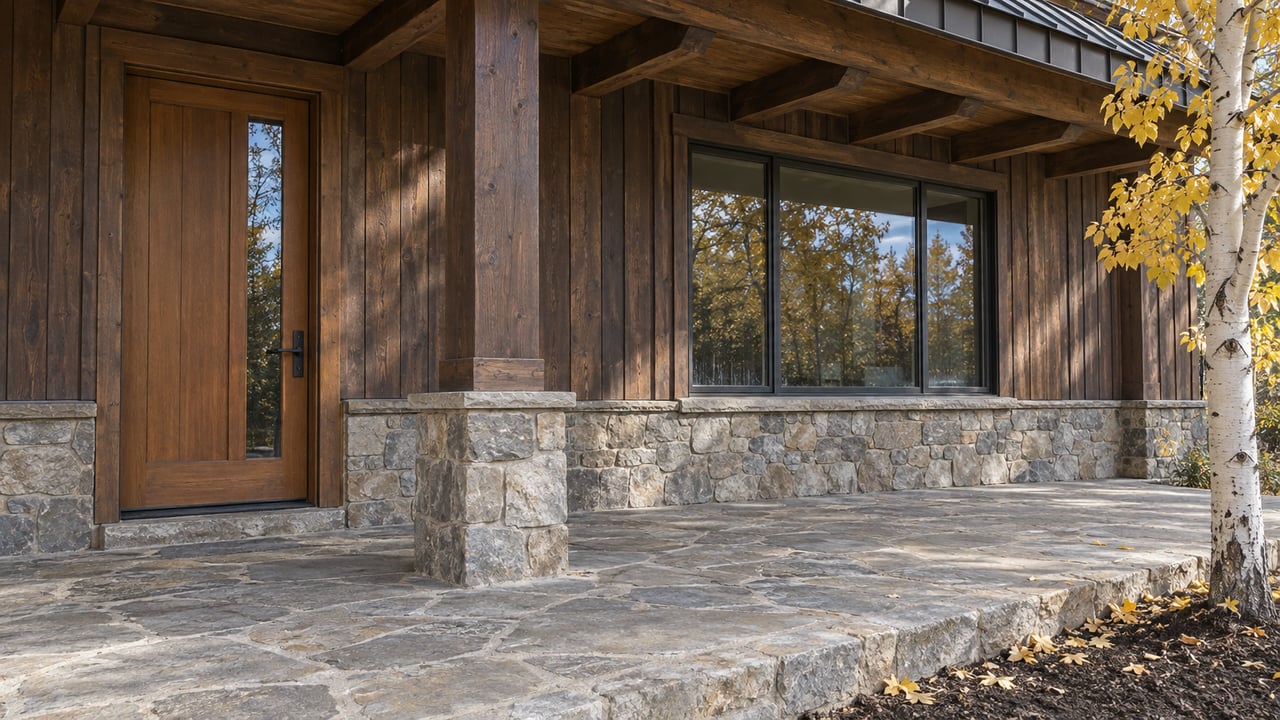
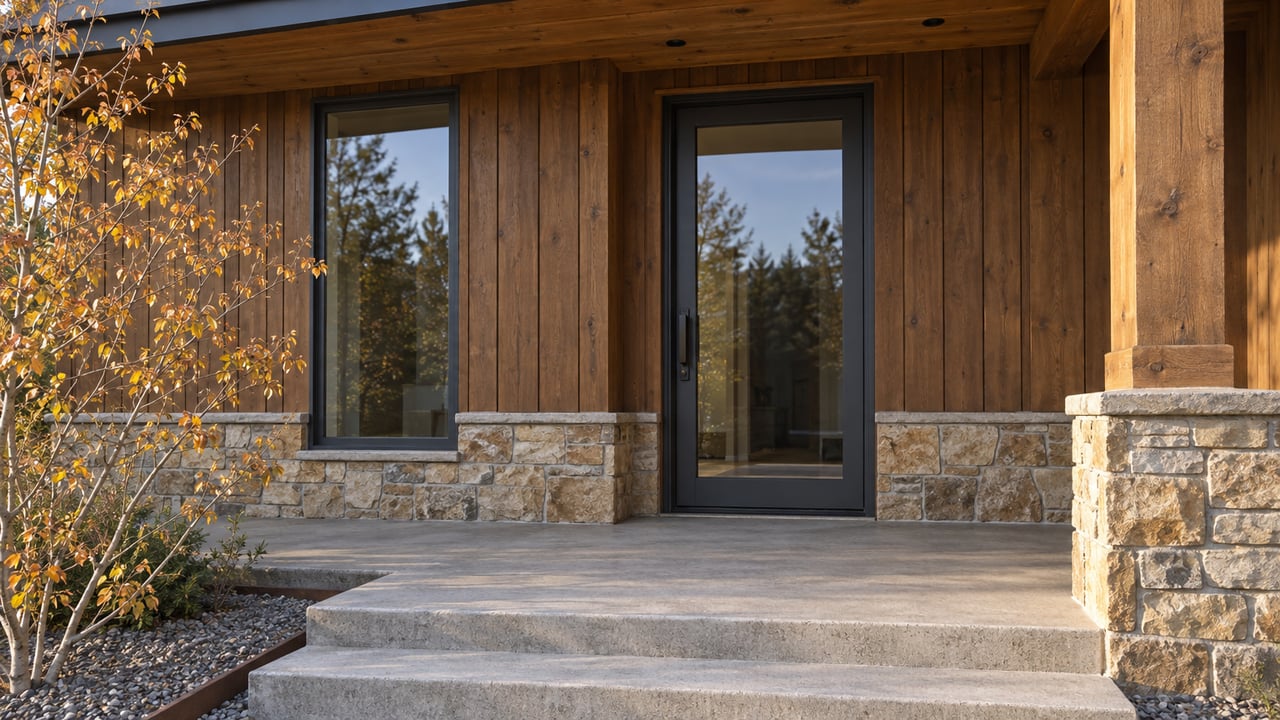
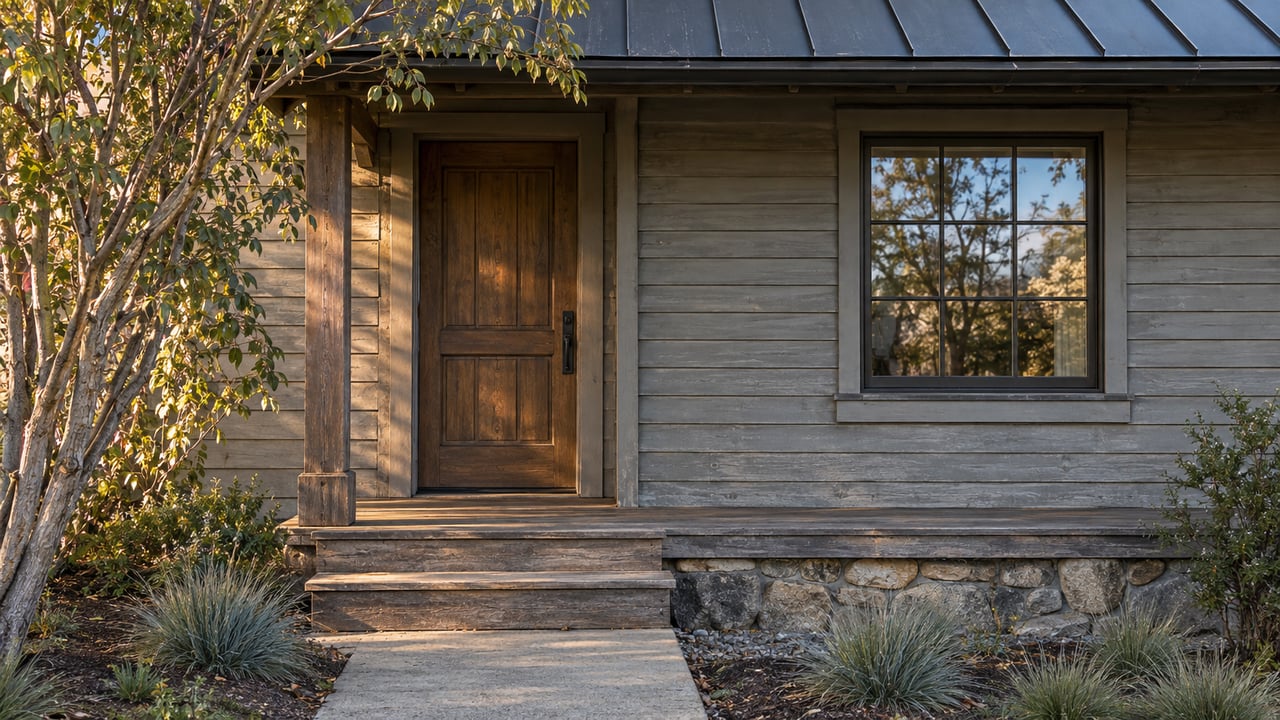
National Cost vs. Value research shows curb-appeal projects and modest interior refreshes often recoup the highest share of cost. Think new garage door, entry door, selective siding work, a minor kitchen refresh, or a midrange bath update. Use regional figures to plan and avoid overbuilding for the neighborhood. Explore current recoup trends at Cost vs. Value.
Staging and pre-list tools
- Staging and simple cosmetics like paint, lighting, and light landscaping can reduce days on market and improve perceived value.
- A pre-list inspection can surface repairs before buyers do, which lowers risk of late-stage surprises.
- A pre-list appraisal provides a lender-style datapoint if you want more certainty in a price-sensitive tier. Weigh the cost against your goals. Learn more about how these tools support pricing at NAR’s consumer pricing guide.
Pricing tactics and timing
Your strategy should match your goals and the strength of your segment.
Strategy by goal
- Need a faster close. Price competitively within the most searched buyer bands in your area to drive early traffic and strong first-week interest.
- Aim for maximum net and have time. Price at the high end of the supported range with crisp comp support. Expect a longer marketing window and stay ready to adjust.
- In low-inventory price tiers. A sharp price within popular search brackets can create multiple-offer dynamics. In softer segments, this can backfire, so watch absorption and active competition closely.
Watch the first 2 weeks
Your first two weeks set the tone. Serious buyers are already in the market and will see your listing immediately. If you miss on price, you risk becoming a stale listing and inviting low offers. Review showings, feedback, and nearby pendings in real time and be ready to pivot.
Know your net
List price is only the starting point. Plan your net before you go live.
Typical seller costs
- Commissions. Total commissions are negotiated. Recent national averages have centered near the mid 5 percent range combined. For context, one 2025 report noted combined averages around 5.3 to 5.5 percent. Use your negotiated local figure in a net sheet and date it. Read the 2025 commission trend snapshot.
- Closing costs and prorations. Expect prorated property taxes, owner’s title policy, recording fees, and any negotiated credits. Buyer closing costs in Montana average about 2.4 percent, which helps set expectations for negotiations, though seller charges differ by contract. Use your title company’s estimate for accuracy. For a state-level overview, see Rocket Mortgage’s Montana closing cost guide.
Local rules that affect value
- Short-term rentals. Bozeman restricts new non-owner-occupied whole-home STRs and requires permits and inspections for allowed types. If your property has STR history, confirm permit status and whether any approvals can transfer. It can materially change value for investors. Review current rules on the city’s page for Bozeman short-term rentals.
- Second-home tax changes. Beginning in 2026, Montana’s recent policy shifts increase property tax burden on second homes and many STRs. If your likely buyer is an investor or second-home owner, their projected holding costs matter for pricing and negotiations. See coverage of the change in Montana Free Press.
Pre-listing checklist
Gather these items before you request a valuation so your CMA is accurate and complete:
- Exact address and parcel or GIS reference, lot size, and improvements list
- Recent utility bills to discuss operating cost
- List of permitted improvements with receipts, permit numbers, dates, and contractor names
- Known defects, recent repairs, and any inspection reports
- HOA documents, CC&Rs, and any transfer fees
- Rental history or STR permit number plus recent occupancy and income, if applicable
- Mortgage balance and payoff estimate for net proceeds planning
- Target move date and top priorities such as price, speed, or certainty
Next steps
Pricing well in Bozeman takes both local judgment and disciplined analysis. With a finance-backed approach and a clear read on micro-markets, you can position your home to sell with confidence and a strong net. If you want a data-driven price for your exact address, request a customized CMA and prep plan from Brian Heck.
FAQs
How will my Bozeman home be valued?
- Your agent will prepare a CMA that compares recent solds, active and pending competition, and adjusts for condition, size, location, and features. A buyer’s lender may require an appraisal that uses similar comparables with formal adjustments. See the NAR overview of pricing inputs for what goes into this process.
Should I renovate before listing in Bozeman?
- Often, smaller curb-appeal projects and midrange updates have the best recoup rates. Use regional Cost vs. Value data and compare expected recoup to neighborhood price ceilings before you commit to larger projects.
What if the appraisal comes in low?
- You can renegotiate price, offer credits, or ask the buyer to bring additional cash or an appraisal gap solution. Appraisers follow formal adjustment guidelines, so aligning your list price with recent comparable sales helps reduce risk.
How much will I pay in commissions and closing costs?
- Commissions are negotiated. Recent national snapshots show combined averages around the mid 5 percent range. Closing costs and prorations vary by deal and title company. Ask your agent for a sample net sheet that reflects local fees and your negotiated commission.