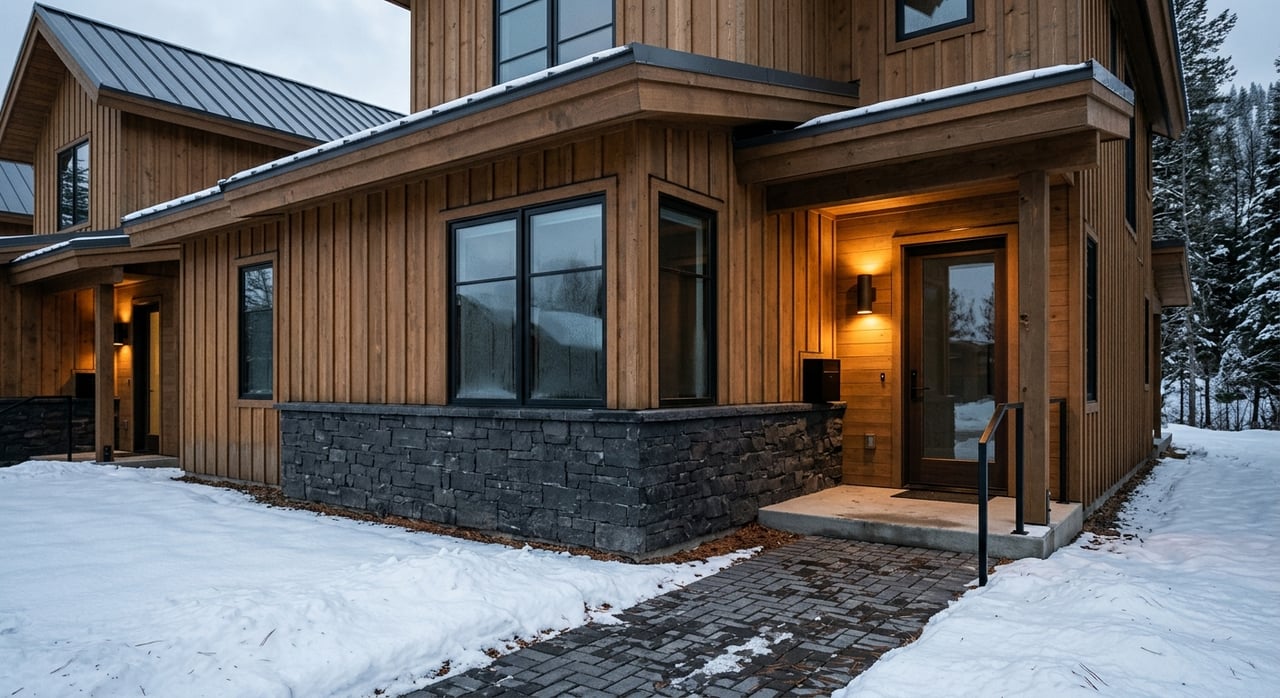
If you are dreaming about a second home in Big Sky, one question tends to come up fast: should you buy a condo or a house? It is an exciting choice, but it can also feel complicated when you start comparing price, upkeep, privacy, and rental rules. The good news is that the right answer usually becomes clear once you match the property type to how you actually want to use it. Let’s dive in.
Big Sky Second-Home Market Basics
Big Sky is a high-cost resort market, and the gap between condos and houses is significant. In the June 2026 local MLS snapshot, condos and townhomes had 113 active listings with a median asking price of $2.4 million. Single-family homes had 53 active listings with a median asking price of $5.15 million.
Closed sales from 2025 show a similar spread. The median closed price was $1.57 million for condos and townhomes and $4.95 million for single-family homes. That means your starting budget can shape this decision quickly, even before you get into lifestyle preferences.
Both segments also lean buyer-friendly right now. Condos and townhomes were at 8.4 months of supply, while houses were at 12.5 months of supply, both above the local report’s 6-month buyer-market threshold. For you, that can mean more room to compare options carefully and negotiate with a clearer view of the market.
Why Condos Appeal in Big Sky
For many second-home buyers, condos and townhomes offer the easiest ownership experience. In Big Sky, association dues can cover major items such as structure maintenance, grounds care, road maintenance, snow removal, trash, sewer, water, and insurance. That can remove a lot of the day-to-day work that comes with owning in a mountain climate.
This matters even more if you do not plan to be in Big Sky year-round. A lock-and-leave setup can be a real advantage when winter weather, snow management, and seasonal maintenance are part of the picture. Instead of coordinating every detail yourself, much of that work may already be built into the property structure.
Convenience is another big reason buyers choose condos. In the resort area, many lodging-style properties are built around easy access to lifts, dining, shopping, and recreation. Some also come with service-focused amenities such as front desk support, housekeeping, bell service, local transportation, pools, hot tubs, fitness access, concierge help, and ski valet.
If your ideal second home is a place where you can arrive, settle in quickly, and spend more time enjoying Big Sky than managing a property, a condo or townhome may be the better fit.
Why Houses Appeal in Big Sky
A detached home usually offers something different: more privacy, more space, and a more customized mountain retreat. If you want a larger footprint, more separation from neighbors, or a property that feels more personal and tucked away, a house may better match your goals.
That extra space can matter if you plan to host family or friends often. It can also matter if your vision of a second home includes a more independent ownership experience, rather than a shared-building setup. In Big Sky, detached homes can range far above condo pricing, with current examples reaching $9.45 million and well beyond $25 million.
Still, it is important not to assume that every house means fully hands-on ownership. Some detached homes in Big Sky are also located in association-governed neighborhoods, and certain listings include services like road maintenance and snow removal in HOA dues. That is why the real comparison is not only condo versus house, but also what responsibilities come with each specific address.
Big Sky HOA Details Matter More Than You Think
In Big Sky, homeowners association structure can have a major impact on your ownership experience. The Big Sky Owners Association spans more than 8,000 acres across Madison and Gallatin Counties. Its annual assessments support winter road maintenance, street lights, speed control, weed control, open space maintenance, architectural review, and landscape design.
That means association rules and costs are not just a side note. They can shape how easy the property is to maintain, what standards apply, and what services you benefit from as an owner. Two homes with similar square footage can feel very different in practice if one includes broader maintenance support and the other does not.
Before you choose a condo or a house, it helps to ask a simple question: how much of the property and its upkeep do you want to manage yourself? In Big Sky, that answer often matters just as much as bedrooms, views, or finishes.
Rental Potential Is Real, But Not Automatic
If you are buying a second home, you may also be thinking about short-term rental income. Big Sky does have an active vacation rental market. AirROI reports 1,024 active listings, average annual revenue of $72,028, 34.7% occupancy, an average daily rate of $842, and RevPAR of $299.
Those numbers show there is real demand, but they do not mean every property performs the same way. Rental results in Big Sky are seasonal and highly property-specific. Location also plays a major role, with Mountain Village, Meadow Village, and Spanish Peaks Village standing out as important short-term rental areas.
Structure type is only part of the equation. A well-located condo with easy resort access may appeal to one type of renter, while a larger house may attract a different use pattern. The better question is not whether condos or houses rent better across the board, but whether a specific property is in the right location and allowed to operate the way you intend.
Resort Tax and Covenant Rules to Check
If your property is in the Big Sky Resort Area District and you plan to use it as short-term lodging, there are local requirements to know. Owners must collect the 4% resort tax on short-term lodging, and businesses and individually managed short-term rentals must register annually with the district.
Covenants can also change the math in a big way. The Big Sky Owners Association states that covenants are permanent and run with the land. In Sweetgrass Hills, for example, short-term rental rules prohibit new short-term rental use for properties that did not already have it, require annual registration and a fee for grandfathered rentals, cap occupancy at two people per bedroom plus two additional people, and prohibit on-street parking for short-term renters.
For you, the key takeaway is simple: rental-friendly is not the same as rental-permitted. Before you count on nightly rental income, you need to verify the rules for the exact condo declaration, subdivision, or covenant-controlled area involved.
Condo or House: Which Fits You Best?
The best choice often comes down to how you want your time in Big Sky to feel. If convenience, ski access, and managed upkeep are at the top of your list, a condo or townhome may give you the smoothest ownership experience. This can be especially appealing if you want a second home that is easy to enjoy without much hands-on coordination.
If privacy, space, and a more tailored mountain retreat matter more, a house may be worth the higher price point and added complexity. A detached home can offer a different sense of scale and separation, which is important to many second-home buyers.
Here is a simple way to frame the decision:
Choose a condo or townhome if you want
- Lower entry pricing compared with most detached homes
- A more lock-and-leave ownership style
- HOA coverage for exterior or seasonal maintenance
- Convenient access to resort amenities and activity hubs
- A property that may require less direct oversight
Choose a house if you want
- More privacy and room to spread out
- A larger gathering space for guests
- A more customized second-home experience
- Greater separation from shared walls or common areas
- Flexibility that may come with a detached property, depending on the neighborhood rules
Three Questions to Ask Before You Buy
No matter which direction you are leaning, three questions can help you make a smarter choice.
How much do you want to self-manage?
Some buyers want very little property oversight between visits. Others are comfortable with more responsibility in exchange for privacy or a specific setting. Your answer can quickly point you toward a condo, a house, or a house in a more service-supported neighborhood.
Will you rent the property?
If rental income is part of your plan, do not stop at broad market stats. You need to confirm local tax obligations, registration requirements, and any restrictions tied to the specific property. This step can protect you from buying something that does not support your intended use.
What do the HOA and covenants allow?
This is where many second-home decisions are won or lost. Dues, maintenance coverage, parking rules, occupancy caps, architectural standards, and short-term rental restrictions can all shape your ownership experience. In Big Sky, these details deserve close review before you commit.
A Smart Big Sky Strategy
Buying a second home in Big Sky is not just about choosing between a condo and a house. It is about choosing the right mix of lifestyle, budget, upkeep, and rental flexibility for the way you plan to use the property. The strongest decisions usually come from looking past the photos and asking how the property will actually function for you over time.
That is where local guidance can make a real difference. When you understand pricing, supply, association structure, and property-specific rules, it becomes much easier to buy with confidence. If you want help comparing options in Big Sky and narrowing in on the right second-home fit, connect with Brian Heck.
FAQs
Is a condo or house cheaper in Big Sky for a second home?
- In Big Sky, condos and townhomes generally have lower pricing than single-family homes. The June 2026 MLS snapshot showed a median asking price of $2.4 million for condos and townhomes versus $5.15 million for single-family homes.
Are condos in Big Sky easier to maintain than houses?
- Often, yes. Many Big Sky condos and townhomes include HOA services such as structure maintenance, grounds care, road maintenance, snow removal, trash, sewer, water, and insurance, which can reduce hands-on ownership tasks.
Can you use a Big Sky second home as a short-term rental?
- Possibly, but you need to verify the exact property rules. In the Big Sky Resort Area District, short-term lodging owners must collect the 4% resort tax and register annually, and local covenants or condo rules may also limit or prohibit short-term rentals.
Do houses in Big Sky always come with fewer HOA rules?
- No. Some detached homes in Big Sky are also part of association-governed neighborhoods, and HOA dues may cover items like road maintenance and snow removal. The rules and services can vary a lot by subdivision.
What matters most when choosing a second home in Big Sky?
- The biggest factors are usually budget, desired privacy, how much upkeep you want to manage, whether you plan to rent the property, and what the HOA or covenants allow at that specific address.