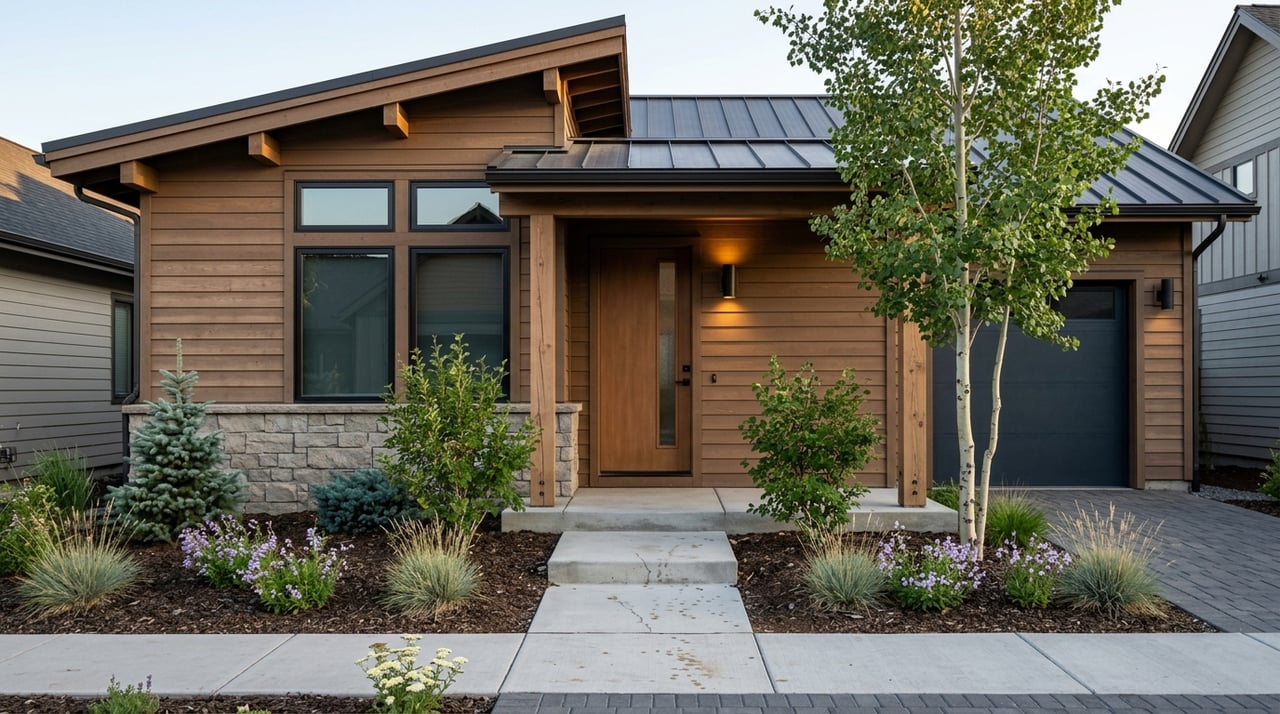
If you are trying to figure out where you might feel most at home in Bozeman, the answer is usually less about one “best” neighborhood and more about the kind of daily life you want. Some parts of Bozeman put you close to downtown streets, older homes, and historic character, while others offer newer homes, planned parks, or more open space at the edge of town. When you understand how Bozeman’s neighborhood styles connect to lifestyle, your search gets much clearer. Let’s dive in.
How Bozeman neighborhoods take shape
Bozeman’s neighborhoods do not feel different by accident. The city’s Community Plan and development code guide how housing, streets, parking, land uses, transitions, and some public features like new sidewalks are built within city limits.
That planning approach helps explain why Bozeman has such clear contrasts between its historic core, newer planned neighborhoods, and the more rural edges around town. It also reflects the city’s focus on infill, compatibility, and housing within walking distance of downtown jobs, retail, and neighborhood services.
One important detail for buyers is that city rules stop at the city limit. Outside Bozeman, land use is regulated by Gallatin County or other local governments, which can create a very different feel and set of expectations from one area to the next.
Historic core lifestyle in Bozeman
For many buyers, Bozeman’s historic core offers the most distinct sense of place. This area includes the Main Street Historic District and nearby residential districts such as Cooper Park, Lindley Place, North Tracy, South Tracy/South Black, and Bon Ton.
These neighborhoods are known for late-19th- and early-20th-century homes, including vernacular houses, bungalows, Queen Anne homes, and Colonial Revival examples. You will also see tree-lined streets, regular setbacks, and a traditional street grid that gives the area a classic neighborhood feel.
Each district has its own character. Bon Ton is known for larger homes on larger lots, Cooper Park includes about 250 diverse one- to two-story frame houses, Lindley Place is a dense two-block street near Bozeman Creek and Bogart Park, and South Tracy/South Black includes a school building and a neighborhood grocery store.
Why buyers like the historic core
The biggest draw is walkability. City planning documents strongly support housing within walking distance of downtown employment, retail, and neighborhood services, and the downtown improvement plan emphasizes a walkable, accessible core tied to nature and culture.
That can translate into a lifestyle where you may be able to reach errands, restaurants, civic spaces, and community activity with less driving. If you value architectural detail, mature streetscapes, and a close-in location, the historic core often stands out.
What to consider in historic districts
Historic areas also come with more oversight. Bozeman’s Neighborhood Conservation Overlay District covers more than 4,000 properties, and the city says exterior changes in that district require a Certificate of Appropriateness before permits are issued.
For you, that means the charm and preservation of older neighborhoods may come with more review if you want to make exterior updates. Some buyers see that as a worthwhile trade for neighborhood character, while others prefer fewer design restrictions.
Newer subdivisions and planned neighborhoods
If you want a more recently built home and a neighborhood that feels more planned from the start, newer subdivisions may be a better fit. In these parts of Bozeman, zoning and subdivision rules shape building height, size, transitions, parking, and land use.
Because of that framework, newer neighborhoods often feel more standardized than the historic core. They also tend to include a wider mix of housing types, since the city notes that current development includes detached homes along with missing-middle housing and apartments.
What daily life feels like
Many buyers are drawn to newer neighborhoods for practical reasons. You may find newer infrastructure, easier parking, and a daily routine that relies less on walking and more on a mix of driving, neighborhood amenities, and trail access.
Parks and trails are an important part of this lifestyle. Bozeman’s Parks Division manages neighborhood, community, pocket, and linear parks and trails, and the Parks & Trails District provides dedicated funding for parks and trails, including snow removal in city parks located in subdivisions.
The city also has a grant program that includes parks in new developments and in areas with relatively lower access to parkland. For you, that often means planned neighborhoods can offer a built-in connection to outdoor spaces even if they do not have the same historic texture as older parts of town.
Why some buyers prefer newer areas
Newer neighborhoods often appeal to buyers who want a home that feels more move-in ready, with fewer preservation requirements and a more predictable neighborhood layout. If you like the idea of nearby parks, trails, and newer streetscapes, this style of neighborhood can make sense.
They can also work well if you want a broader range of housing forms in one part of town. Compared with historic districts, these areas typically involve less exterior review oversight.
Semi-rural living around Bozeman
If your ideal property includes more land, more separation from neighbors, or a setting that feels tied to open space, semi-rural areas around Bozeman may be worth a look. These areas are generally outside city limits, where Gallatin County and other local jurisdictions govern land use.
County records show that some Bozeman-area land outside the Urban Growth Area is classified as Rural Residential, where development is encouraged to remain in agricultural production and may be allowed at about one unit per 20 acres. A county-reviewed example also included individual wells and septic systems with clustered housing alongside larger open-space and ranch parcels.
What this lifestyle offers
The biggest advantage is space. Semi-rural and rural-residential areas usually offer larger lots, more privacy, and a setting shaped more by landscape than by a neighborhood street pattern.
For some buyers, that means room for animals, hobby uses, or simply a quieter pace with broader views and fewer nearby homes. This can be especially appealing if you are looking at acreage, ranch-style living, or a property that feels more independent from the city.
The tradeoff with rural edges
The main tradeoff is convenience. In most semi-rural settings, you will likely drive more for errands, services, and daily needs than you would in Bozeman’s historic core or many in-town neighborhoods.
You may also be comparing properties that fall under county rules instead of city regulations. That difference matters because what is allowed, how land is served, and how an area functions day to day can change quickly once you move beyond the city limit.
How to compare Bozeman neighborhood styles
If you are narrowing your search, it helps to compare neighborhoods by lifestyle first and property type second. In Bozeman, that usually comes down to a few practical questions.
Ask how much walkability you want
If being able to reach downtown jobs, retail, services, and civic activity matters most, the historic core is usually the strongest fit. Its traditional street grid and close-in location support the most walkable lifestyle in the city.
Ask how much character and oversight fit you
Older neighborhoods often deliver the most architectural character, but they also come with the most preservation oversight. If you love historic homes, that may feel like part of the value. If you want more freedom for exterior changes, a newer area may be easier.
Ask whether newer amenities matter most
If your priority is newer construction, neighborhood parks, trails, and a more planned layout, newer subdivisions often align better with that goal. They can offer a more predictable built environment and easier day-to-day functionality for many households.
Ask how much space you need
If lot size, privacy, and open space matter more than convenience, semi-rural areas around Bozeman may be the better match. These areas often trade easy access for room to spread out.
Ask whether you are in the city or county
This is one of the most important comparison points. A property inside Bozeman and one just outside it may feel close on a map, but the planning context can be very different because city rules end at the boundary and county oversight begins.
Matching lifestyle to location
A smart Bozeman home search starts with an honest look at how you want to live each day. If you picture walking to downtown destinations and living among older homes with strong architectural identity, the historic core may fit best.
If you want newer housing, neighborhood parks, and a setting shaped by modern subdivision planning, newer residential areas may feel more comfortable. If your priorities are land, privacy, and a landscape-driven setting, the rural edge may offer the right kind of freedom.
The key is to balance lifestyle goals with practical tradeoffs. When you understand the difference between historic grid living, planned neighborhood living, and acreage-based living, you can focus your search with much more confidence.
Whether you are relocating, buying your next home, or comparing in-town and edge-of-town options, having a local guide can make those tradeoffs easier to evaluate. If you want help matching your goals to the right part of Bozeman, connect with Brian Heck.
FAQs
What is the most walkable type of neighborhood in Bozeman?
- Bozeman’s historic core is generally the most walkable, with strong access to downtown jobs, retail, services, and civic activity.
What should buyers know about Bozeman historic districts?
- Buyers should know that historic areas can offer strong architectural character and mature streetscapes, but exterior changes in the Neighborhood Conservation Overlay District require city review before permits are issued.
What defines newer planned neighborhoods in Bozeman?
- Newer planned neighborhoods are shaped by zoning and subdivision rules that guide height, size, parking, transitions, land use, and amenities, often creating a more standardized feel than older neighborhoods.
What lifestyle do semi-rural areas near Bozeman offer?
- Semi-rural areas near Bozeman generally offer larger lots, more privacy, open space, and a landscape-focused setting, with more driving for daily errands and services.
Why does it matter if a Bozeman property is outside city limits?
- It matters because properties outside city limits are regulated by Gallatin County or other local governments rather than the City of Bozeman, which can affect land use expectations and everyday living patterns.